
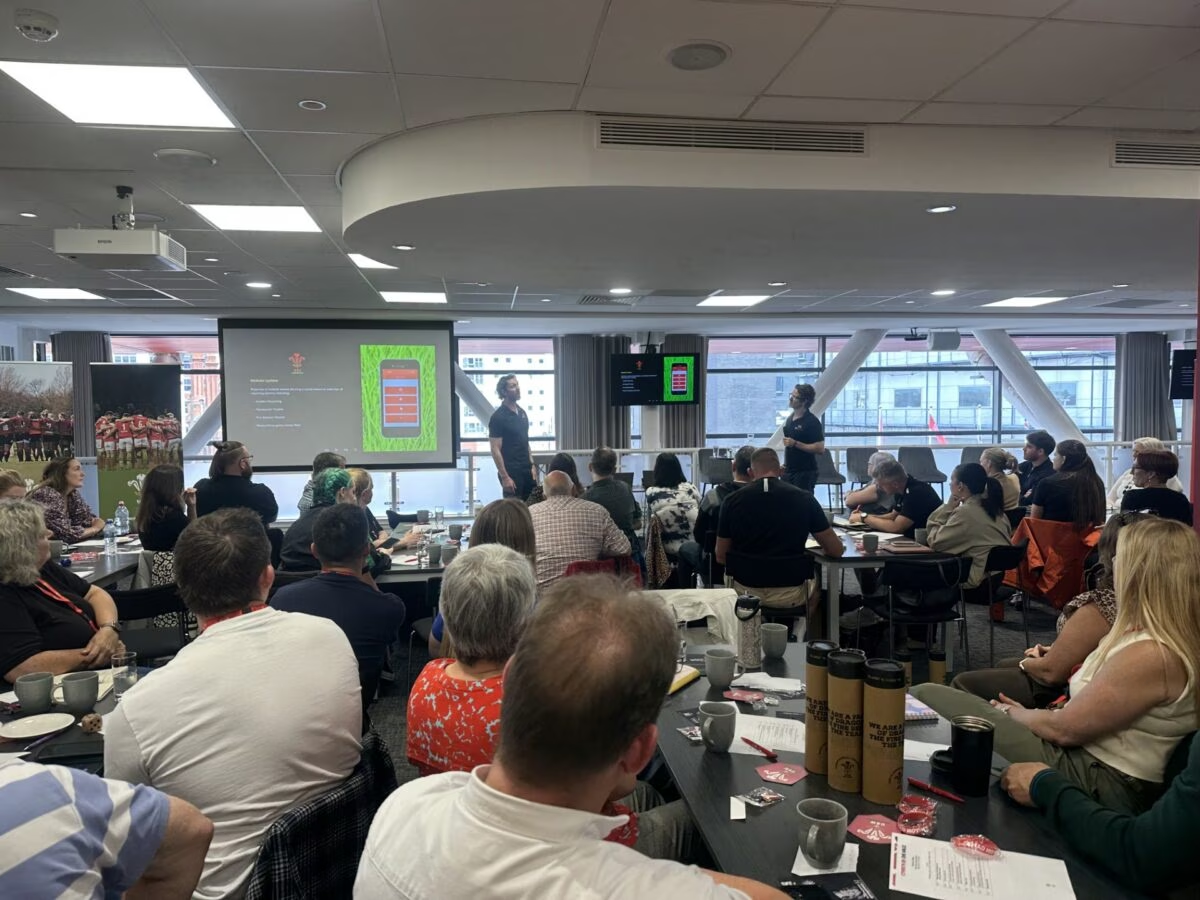
The Welsh Rugby Union welcomed clubs, volunteers and industry experts to Principality Stadium for its third annual Integrity Symposium, reinforcing its commitment to creating safe, inclusive and high-performing environments across the game.
Jeremy Rogers, WRU Head of Integrity, Regulatory and Competitions, described the event, led by WRU Community Welfare Manager, Lewis Cannon, as a vital platform for learning, collaboration and continuous improvement across Welsh rugby.
“It’s our third year that we’ve run the Integrity Symposium… it’s a great opportunity to get like-minded individuals together around integrity in sport,” said Rogers.
The symposium brought together a diverse audience from grassroots volunteers to professional practitioners, with a programme designed to address key areas including safeguarding, mental health, anti-doping and officiating.
Speakers included international referee Ben Whitehouse and mental health charity LooseHeadz, alongside a high-profile safeguarding panel featuring leading organisations such as the NSPCC Child Protection in Sport Unit and the Ann Craft Trust.
At the heart of the symposium is a focus on strengthening best practice across the game.
“For me, that’s the key part of this, listening to other people, learning from other people and how we can strive to be better in what we do around integrity in sport,” Rogers explained.
Integrity within Welsh rugby spans a broad and crucial remit. The WRU Integrity team oversees safeguarding, discipline, anti-doping and player welfare initiatives, ensuring that both the professional and community games operate to the highest standards.
“Safeguarding is probably the most important thing that we do… but anti-doping is absolutely critical to the reputation of the game,” Rogers said.
He also highlighted the WRU’s commitment to player welfare, including mental health initiatives developed in partnership with organisations such as the Jack Lewis Foundation and LooseHeadz.
A key message throughout the day was the importance of creating environments where players, volunteers and supporters feel safe and included.
“That sense of belonging grows when you’ve got safe and inclusive environments in our clubs. I think it’s absolutely key to growing the game,” Rogers added.
The symposium also emphasised transparency and accountability, particularly when handling discipline and misconduct cases, which are managed through independent panels.
Beyond governance, Rogers stressed the importance of integrity in supporting the long-term health of the sport.
“It’s about developing best practice and making sure that everything that we do within integrity… is really effective because it does affect people’s lives within the game.”
As Welsh rugby continues to evolve, the Integrity Symposium remains a cornerstone event, helping to equip clubs and volunteers with the knowledge and tools needed to protect and grow the game at every level.